
*no-index is active,
staging site for preview.
Contact newcondolaunches.com.sg@gmail.com for enquiry
Modern travellers are searching for lifestyle, not just destinations
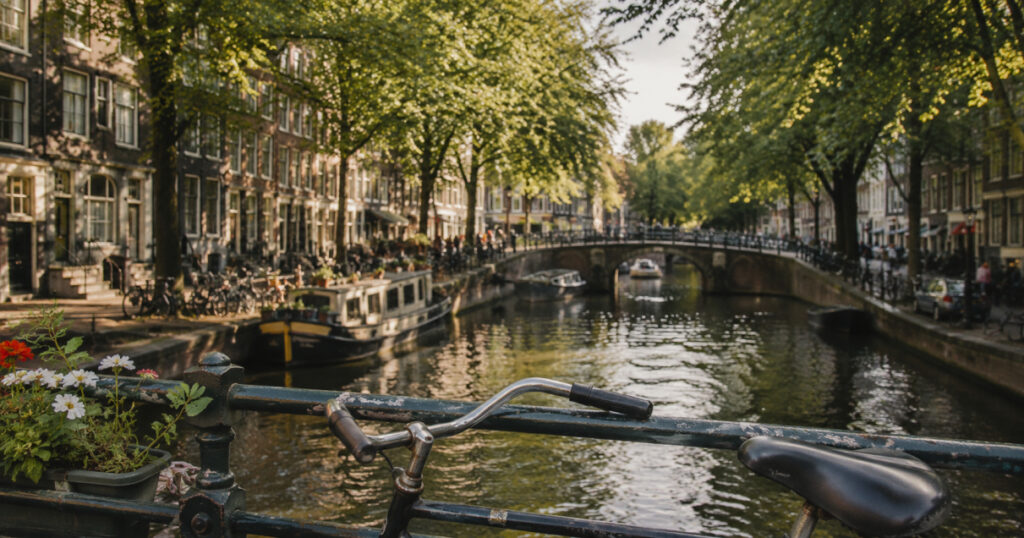
Travel has changed in ways that go far beyond booking flights or finding new places to visit. For much of the past century, tourism revolved around landmarks, attractions as well as carefully planned itineraries. Travellers measured success through the number of destinations visited or photographs collected. Today, a growing number of people are approaching travel differently. They are searching for experiences that reveal how places are lived in rather than simply how they are seen.
This shift reflects broader changes in lifestyle priorities. Remote work, digital connectivity as well as increasing awareness of mental wellbeing have encouraged many people to rethink the relationship between travel, work as well as everyday living. Rather than escaping daily life, travellers increasingly seek destinations that offer insights into how daily life itself can be improved. Neighbourhood culture, access to nature, walkability as well as community identity now influence travel decisions as much as famous attractions.
The appeal of thoughtfully planned urban environments has become part of this trend. Residential communities such as Hudson Place Residences illustrate how modern lifestyles increasingly value proximity to green corridors, recreational spaces as well as employment centres within a single integrated setting. Located near the Rail Corridor, One North as well as surrounding lifestyle districts, the development reflects the growing preference for environments where work, leisure as well as daily convenience exist within comfortable reach of one another.
The result is a new form of travel curiosity. People are no longer observing destinations from the outside. They are increasingly evaluating how places function, how communities interact as well as what creates a meaningful quality of life.
The rise of neighbourhood travel
One of the most noticeable travel trends in recent years is the growing popularity of neighbourhood exploration. Rather than focusing exclusively on major attractions, travellers are spending more time in residential districts where local culture unfolds naturally.
This change emerged partly because many visitors became overwhelmed by overtourism. Popular landmarks often attract large crowds that make meaningful engagement difficult. Travellers increasingly seek quieter streets, independent businesses as well as public spaces where local routines remain visible.
A useful illustration can be found in Tokyo’s Yanaka district. Unlike the city’s better known commercial centres, Yanaka preserves a slower pace shaped by traditional streets, small workshops as well as long established family businesses. Visitors are drawn not because of a single attraction but because the neighbourhood offers insight into how residents interact with their environment. The experience feels more personal because daily life remains the central attraction.
Neighbourhood travel encourages observation rather than consumption. It invites people to understand how communities are organised, how public spaces are used as well as how local identity develops over time.
Walkability has become a lifestyle aspiration
Many travellers now pay close attention to how easily a destination can be explored on foot. Walkability has evolved from a practical convenience into a marker of lifestyle quality.
Cities designed around pedestrians often create richer travel experiences because movement becomes part of the journey rather than simply a method of reaching destinations. Streets reveal details that remain invisible from vehicles. Architecture, public art, local businesses as well as spontaneous interactions become part of everyday exploration.
Copenhagen offers a strong illustration of this principle. Decades of investment in pedestrian friendly planning have created an environment where walking as well as cycling form a natural part of daily life. Visitors frequently report that the city’s appeal extends beyond individual attractions because the urban experience itself feels comfortable, accessible as well as human centred.
This growing appreciation for walkability also influences residential preferences. Many travellers return home with a heightened awareness of how urban design shapes wellbeing, convenience as well as social interaction.
Nature is becoming part of the travel experience
Nature was once viewed primarily as a separate category of travel. National parks, mountain retreats as well as beach holidays occupied a different space from urban tourism. Increasingly, however, travellers seek destinations that blend natural environments into everyday city life.
Research published by the World Health Organization has highlighted the relationship between access to green spaces as well as physical and mental wellbeing. Parks, trails as well as natural corridors contribute to stress reduction while encouraging physical activity. These benefits have become more visible as urban populations spend greater amounts of time indoors.
The High Line in New York demonstrates how green infrastructure can reshape travel experiences. Built on a former elevated railway, the linear park transformed unused industrial space into a public environment that attracts both residents as well as visitors. What makes the space compelling is not simply its design but the way it integrates nature into a dense urban setting.
Travellers increasingly notice these connections because green spaces influence how places feel. Nature no longer serves only as a destination. It becomes part of the broader lifestyle that travellers hope to experience.
Digital convenience is changing expectations
Technology has transformed travel in ways that extend beyond booking platforms or navigation apps. Digital systems now influence how travellers interact with destinations before, during as well as after their journeys.
Mobile payments, digital ticketing as well as real time transportation information have reduced many of the frictions that once defined travel. As a result, visitors increasingly expect seamless access to services without lengthy administrative processes.
Estonia provides a compelling illustration of this transformation. The country invested heavily in digital infrastructure, creating systems that simplify access to public services, transportation as well as administrative functions. While travellers may not always notice the underlying technology, they often experience the benefits through smoother interactions with the environment.
Importantly, successful technology tends to operate quietly. Travellers rarely seek technology for its own sake. They value systems that simplify experiences while allowing greater focus on exploration, culture as well as human connection.
The search for belonging away from home
Perhaps the most significant shift in modern travel is the growing desire for belonging. Travellers increasingly seek places where they can imagine living rather than simply visiting.
This mindset reflects broader changes in work patterns as well as lifestyle flexibility. Remote work has made longer stays more feasible for many professionals. Some travellers now spend weeks or months in a destination rather than following traditional holiday schedules.
Lisbon illustrates how this trend can reshape perceptions of a city. Visitors are often attracted initially by architecture or climate, yet many remain interested because of neighbourhood culture, public spaces as well as a strong sense of community. The city offers an environment where daily routines feel approachable rather than intimidating.
The desire for belonging does not necessarily mean permanent relocation. Instead, it reflects a deeper interest in understanding how people build meaningful lives within different environments.
Travel is becoming a study of everyday life
The most interesting travel trend today may be the growing fascination with ordinary experiences. Travellers increasingly recognise that quality of life is often revealed through daily routines rather than major attractions.
Morning markets, public parks, neighbourhood cafés as well as local transportation networks reveal how places function beneath their tourism identities. These experiences provide insights that cannot be replicated through guidebooks alone.
This shift has encouraged a more thoughtful form of travel. Visitors spend less time chasing checklists while investing more energy in understanding context, community as well as place making. Travel becomes less about collecting destinations and more about learning how different environments support different ways of living.
As a result, the boundaries between travel as well as lifestyle continue to blur. The destinations attracting the strongest interest are often those that demonstrate how thoughtful planning, accessible public spaces, strong community identity as well as balanced daily living can coexist. Travellers are no longer searching only for somewhere new to visit. They are searching for ideas about how life itself might be lived differently.
In that sense, modern travel has become a study of possibility. Every journey offers not only a change of scenery but also a chance to examine how environment shapes behaviour, wellbeing as well as happiness. The destinations that leave the deepest impression are often those that reveal a compelling vision of everyday life, reminding travellers that the most meaningful discoveries are not always found at famous landmarks but within the rhythms of ordinary living.