
*no-index is active,
staging site for preview.
Contact newcondolaunches.com.sg@gmail.com for enquiry
The healthiest exercise routine is the one that fits your environment
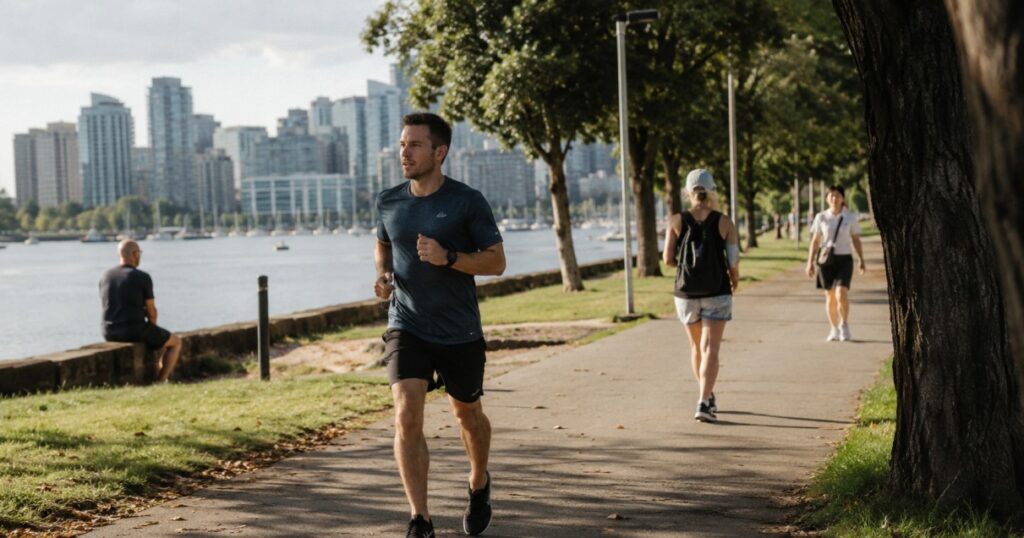
For decades, conversations about health focused heavily on motivation. People were told that better fitness depended on stronger discipline, greater willpower or more ambitious goals. While motivation certainly matters, a growing body of research suggests that the environments people inhabit each day may have a far greater influence on long term health outcomes than previously believed.
This shift in understanding has changed how health professionals view exercise habits. Rather than asking why people fail to maintain routines, researchers increasingly examine the conditions that make physical activity either easy or difficult. Access to walking paths, recreational facilities, green spaces as well as daily opportunities for movement often shape behaviour more consistently than short bursts of enthusiasm.
The connection between environment as well as physical wellbeing is becoming increasingly visible in modern residential planning. Developments such as Hudson Place Residences reflect this broader approach by integrating recreational facilities, swimming pools, fitness spaces as well as landscaped communal areas into everyday living environments. Located near the Rail Corridor as well as surrounding green spaces, the development illustrates how access to movement friendly infrastructure can become part of daily routines rather than a separate activity that requires significant planning or travel.
The broader lesson is simple. Sustainable health rarely comes from isolated decisions alone. It often emerges from environments that make healthy choices more accessible, more convenient as well as easier to repeat over long periods of time.
Movement matters more than intensity
One of the most persistent misconceptions about exercise is the belief that only intense workouts deliver meaningful health benefits. While vigorous activity certainly improves fitness, research consistently shows that regular movement throughout the day plays an equally important role in long term health.
Many people spend hours sitting at desks, commuting in vehicles or engaging with screens. Even individuals who exercise several times per week can experience negative health effects if the rest of their day involves prolonged inactivity. This has led researchers to focus more attention on overall movement patterns rather than exercise sessions alone.
A study published in the British Journal of Sports Medicine examined the relationship between daily movement as well as mortality risk. Researchers found that individuals who accumulated more moderate physical activity throughout the day generally experienced better health outcomes compared to those who remained sedentary for extended periods. The findings reinforced the idea that movement itself carries substantial value, even when it occurs outside traditional exercise settings.
This helps explain why simple activities such as walking to nearby amenities, using stairs or spending time outdoors can contribute meaningfully to overall wellbeing. The healthiest routines are often those that become embedded within everyday life rather than existing as separate obligations.
The overlooked role of recovery
Exercise receives considerable attention within health discussions, yet recovery remains equally important. Muscles strengthen during recovery periods rather than during the workout itself. The nervous system also requires time to adapt after physical exertion.
Many people unintentionally undermine their progress by treating exercise as a daily test of endurance. Constantly pushing the body without adequate recovery can increase injury risk, impair sleep quality as well as elevate stress levels. Health professionals increasingly encourage balanced routines that include both activity as well as recovery.
Elite athletes provide a useful illustration of this principle. Modern training programmes often dedicate significant resources to sleep optimisation, mobility work as well as active recovery sessions. These practices exist because performance depends not only on effort but also on the body’s ability to adapt to that effort.
The same principle applies to everyday fitness. Consistent moderate activity combined with sufficient rest often produces better long term results than aggressive routines that prove difficult to sustain.
Why green spaces influence physical health
The relationship between nature as well as health extends beyond aesthetics. Access to green spaces has been associated with increased physical activity, reduced stress levels as well as improved mental wellbeing across numerous studies.
Researchers from the University of Exeter examined the health benefits associated with spending time in natural environments. Their findings suggested that individuals who spent at least two hours per week in green spaces reported better overall health compared to those with minimal exposure to nature. Importantly, the benefits appeared across different age groups as well as socioeconomic backgrounds.
Part of this effect comes from movement itself. Parks, trails as well as open spaces encourage walking, cycling as well as recreational activities that might not occur in more restrictive urban settings. Nature also appears to influence psychological factors that affect exercise adherence.
When physical activity occurs within pleasant surroundings, people are often more likely to repeat the behaviour. This increases the likelihood that exercise becomes a sustainable habit rather than a temporary effort.
Social environments shape fitness habits
Health is frequently discussed as an individual responsibility, yet social environments exert a powerful influence on behaviour. People often adopt habits that mirror the routines of those around them.
Exercise participation tends to increase when physical activity becomes part of a community culture. Walking groups, recreational sports leagues as well as shared fitness facilities create opportunities for social reinforcement that support long term consistency.
One notable study published in the New England Journal of Medicine explored how behaviours spread through social networks. Researchers found that health related habits often influence friends, family members as well as broader social circles. While the study examined multiple health factors, it highlighted the broader principle that behaviour rarely occurs in isolation.
This helps explain why environments that encourage interaction around physical activity can support healthier lifestyles. When movement becomes a normal part of community life, participation often feels more natural as well as less burdensome.
Technology is changing how people exercise
Technology has transformed fitness in ways that extend far beyond wearable devices. Activity tracking, virtual coaching, personalised training programmes as well as health monitoring tools now provide individuals with unprecedented access to information about their own behaviour.
The most effective technologies are often those that enhance awareness rather than create dependency. Step counters, heart rate monitors as well as sleep tracking tools can help users identify patterns that might otherwise remain invisible. This information allows people to make more informed decisions about activity levels, recovery as well as overall health habits.
At the same time, experts caution against becoming overly focused on metrics. Numbers can provide useful guidance, but sustainable health ultimately depends on behaviour rather than data alone. The goal is not simply to collect information but to use that information in ways that support meaningful lifestyle improvements.
When technology complements healthy environments rather than replacing them, it can become a valuable tool for maintaining consistency.
Building a healthier life through daily design
The most important insight emerging from modern health research is that exercise should not be viewed as a standalone activity. Physical wellbeing develops through the cumulative effect of countless daily choices shaped by environment, routine as well as opportunity.
People are more likely to remain active when movement feels integrated into everyday life. Accessible facilities, green spaces, supportive communities as well as convenient opportunities for exercise all contribute to healthier outcomes over time. These factors often matter more than ambitious resolutions or short term bursts of motivation.
Rather than asking how to exercise harder, many individuals may benefit from asking a different question entirely. How can daily environments make movement easier, recovery more effective as well as healthy habits more sustainable?
The answer often reveals that lasting health is less about extraordinary effort and more about creating conditions that allow good habits to occur naturally. When exercise becomes part of the environment rather than an interruption to it, maintaining physical wellbeing becomes far more achievable over the long term.