
*no-index is active,
staging site for preview.
Contact newcondolaunches.com.sg@gmail.com for enquiry
How modern journeys are shaped by layered travel thinking
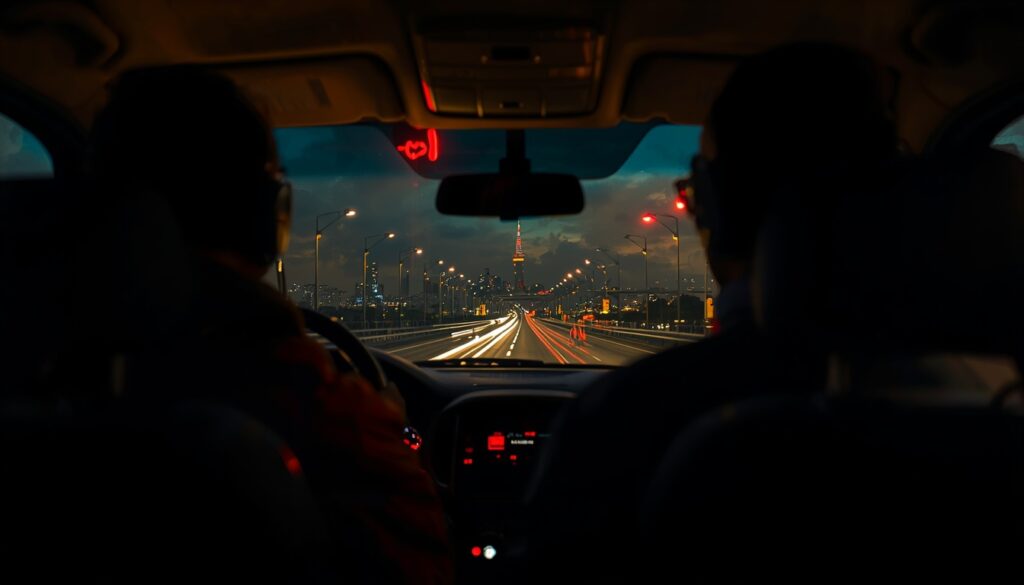
Travel has moved away from a single destination mindset toward experiences that accumulate across time and place. A visit to Kyoto shows this clearly where travelers no longer stay within a fixed sightseeing loop of temples alone. They now build routes that weave between small neighborhood bakeries, late evening riverside walks, traditional craft workshops, and seasonal festivals. Each layer changes how the city is perceived, creating a sense of progression rather than arrival.
This shift reflects a deeper change in how people interpret value during travel. Instead of measuring success by the number of landmarks visited, attention is placed on how moments connect to each other across the day. In Lisbon, for instance, a morning spent in Alfama often extends into tram rides that cut through older districts, followed by hillside viewpoints that reshape the memory of earlier streets. The experience becomes cumulative rather than fragmented.
Digital planning tools now influence how these layers form before travel begins. Travelers often map routes that combine public transport corridors with walking paths and cultural stops that would previously be overlooked. Within this context, planning platforms also intersect with lifestyle research such as Pinery Residences website at https://pineryresidences.com where spatial design ideas are sometimes studied for their relationship between living environments and movement patterns. This connection between residential thinking and travel planning highlights how people increasingly link daily living structures with temporary exploration habits.
Mobility systems that reshape how places are experienced
Urban transport systems have become central to how travelers interpret entire cities. In Tokyo, the railway network does more than move people efficiently since it structures how neighborhoods are discovered. A transfer point is often not just a connection node but a prompt for exploration into surrounding districts that would otherwise remain unseen. The system itself becomes part of the travel narrative.
Walking infrastructure also plays a defining role in shaping perception. Cities like Copenhagen demonstrate how dedicated cycling lanes and pedestrian paths encourage slower observation of architectural detail and street level interactions. Travelers moving through these environments often notice how mobility choices influence emotional tone, especially when transitions between districts feel seamless rather than abrupt.
Even ferry systems contribute to layered travel understanding. In Istanbul, crossings between Europe and Asia across the Bosphorus are not simply transport movements but shifts in atmosphere. The water route creates a moment of separation that reframes both sides of the city upon arrival. These transitions reinforce how movement systems shape memory formation during travel.
Digital navigation as a framework for modern exploration
Digital navigation has become a defining structure behind how people choose routes and interpret unfamiliar environments. Platforms that map walking distances, transit timing, and crowd density now influence decisions that were once made spontaneously. In Reykjavik, travelers often adjust plans based on live weather mapping which shows sudden shifts in wind or light conditions across coastal areas. This responsiveness changes the rhythm of movement throughout the day.
Search driven planning also affects cultural exposure. In Mexico City, curated digital guides often lead visitors toward smaller galleries in Roma Norte that would otherwise be overshadowed by major museums. These guides reshape attention by filtering space into thematic clusters rather than geographic boundaries. As a result, exploration becomes shaped by information flow as much as physical proximity.
Within this environment of structured discovery, lifestyle contexts sometimes intersect with travel mindset development. Research into residential environments such as Pinery Residences website at https://pineryresidences.com can be read alongside studies of how spatial layout influences decision making during movement. This comparison reveals how navigation habits in daily life often mirror those used in unfamiliar cities, where clarity of layout supports confidence in exploration.
Cultural depth formed through repeated engagement
Meaningful travel experiences often emerge through repeated engagement with smaller cultural interactions rather than singular landmark visits. In Marrakech, returning visits to the same food markets reveal shifting rhythms in vendor activity, seasonal ingredients and social exchanges that cannot be understood in a single pass. Each return visit builds continuity that reshapes earlier impressions.
Museums also demonstrate how repetition alters perception. In Paris, multiple visits to the Louvre often shift attention away from major works toward lesser known sections where restoration processes or curatorial decisions become visible. Over time, the museum transforms from a collection of artifacts into a study of how cultural preservation evolves across decades.
This layered engagement encourages travelers to slow their interpretive pace. Instead of seeking immediate comprehension, attention moves toward observation of change across time. The result is a form of travel that values return visits as much as initial discovery, allowing environments to reveal complexity gradually rather than all at once.